

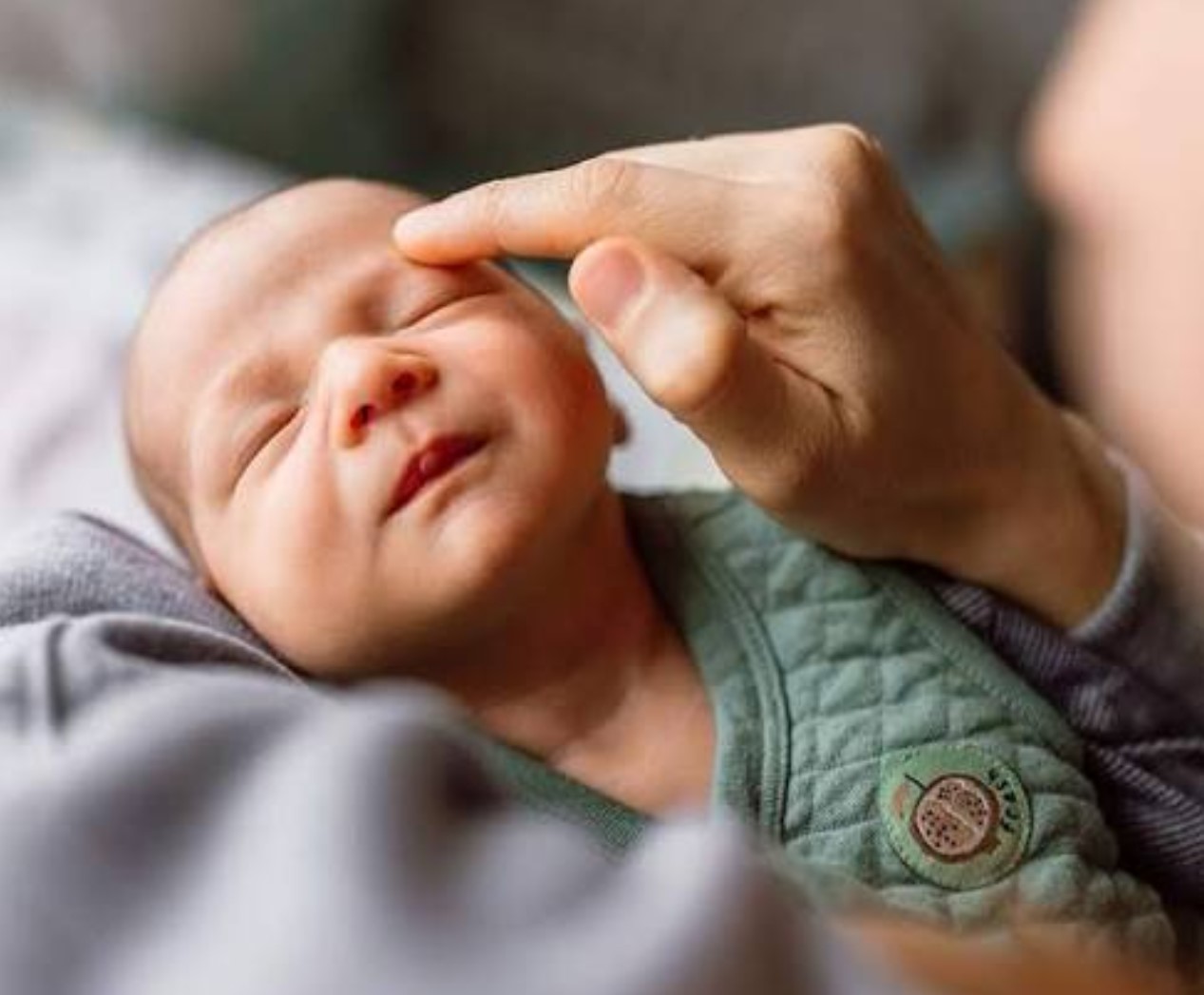
We’ve all been there. A cute, plump baby waddles into the room and instinctively, you want to lean in and give them a kiss.
But doctors urge you to hold back.
A newborn’s immune system is not fully developed at birth. In those first few months, babies have significantly fewer infection-fighting cells than adults, making them far more susceptible to infections that might only cause mild symptoms in grown-ups.
That cold sore you have? It’s no big deal for you, but it could be dangerous for a newborn. While adults may contract the herpes virus without serious issues, newborns can become critically ill if they catch it. If the virus spreads and impacts their organs, it can even lead to fatal consequences. The younger the baby, the more at risk they are especially within the first month after birth.
And the risks don’t stop with herpes. Another big threat is RSV (Respiratory Syncytial Virus), which is particularly concerning for babies under six months. It can lead to serious conditions like bronchiolitis or pneumonia, which a tiny body struggles to handle.
Here’s something to think about: a 2023 survey in the UK revealed that 54% of new parents would allow friends and family to kiss their newborns, often without realizing the risks involved. Even more alarming, 63% said they wouldn’t feel comfortable saying no, worried about offending someone or being seen as overly cautious.
Imagine a parent watching someone lean in to kiss their baby, feeling anxious inside but too polite to object.
Parents shouldn’t hesitate to let visitors know that kissing their newborn isn’t a good idea. If someone truly cares about the baby’s health, they won’t take offense. The kindest gesture any guest can offer is to protect the baby from unnecessary risks.
So, the next time you see a newborn and feel that urge to kiss, consider this: smile at them instead. Wave. Let them wrap their tiny fingers around yours.
That little one is still developing their defenses for this big world.
Give them the time they need. The kisses can wait.