
The Only Human Body Parts That Do Not Grow After Birth Until Death
 Follow on Google News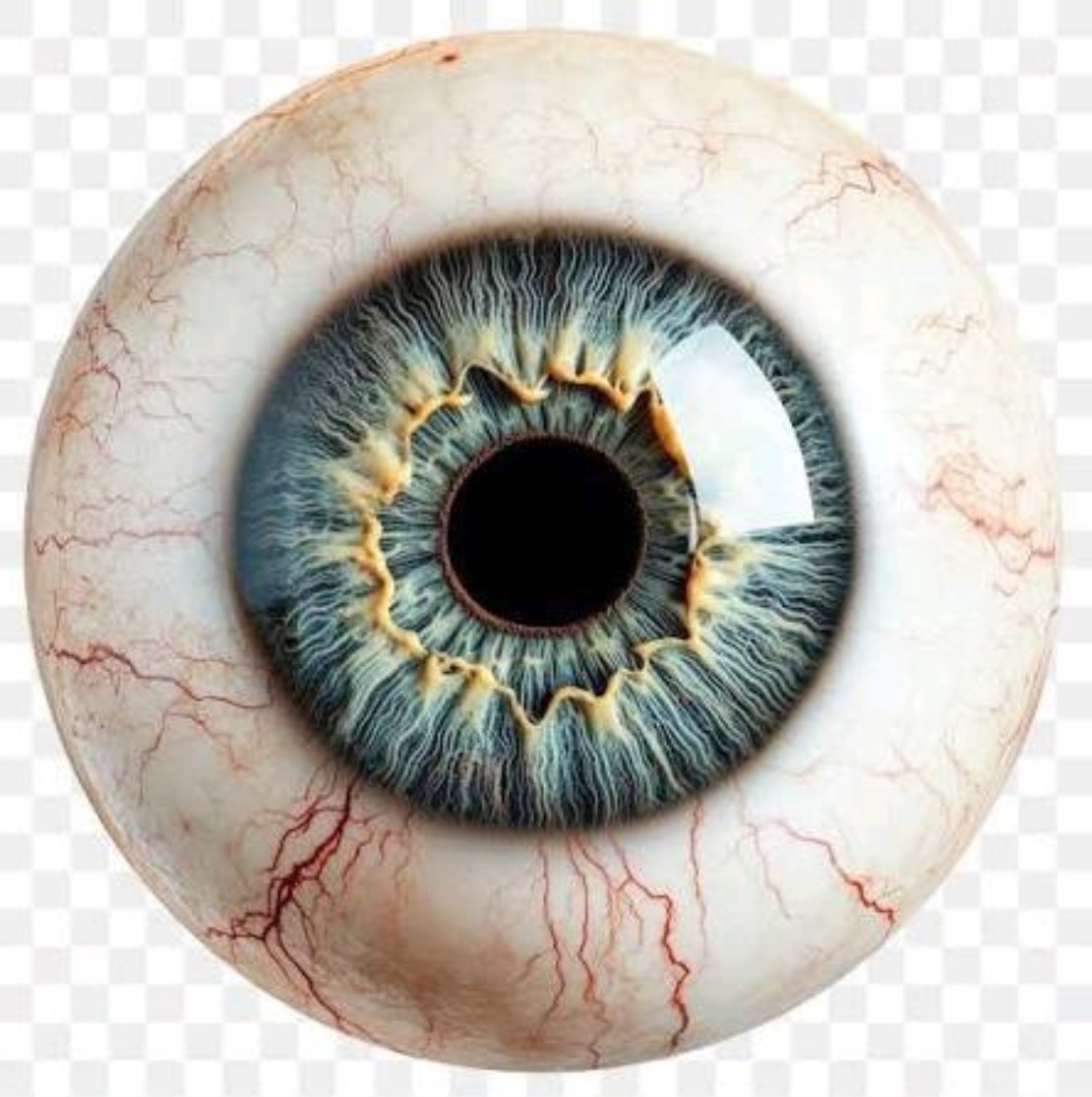
The human body experiences continuous growth and transformation from infancy through adulthood. Bones, muscles, organs, and many other structures develop as a person gets older, changing in size and function over time. However, a few parts of the body are different because they reach almost their complete size shortly after birth and remain nearly unchanged throughout a person’s lifetime.
Knowing how different body parts develop reveals why some features continue growing while others stop early in life.
The eyeball is one of the main examples of a body part that does not grow much after early childhood. At birth, the eyes are already close to their final size compared with the rest of the body. They may increase slightly during the first years of life, but they quickly reach a size that stays almost the same into adulthood. This explains why babies often have a noticeable appearance of large eyes in proportion to their small faces.
The inner ear is another body structure that develops very early. It is responsible for important functions such as hearing and maintaining balance. Unlike many other body parts that continue expanding during childhood, the inner ear is mostly formed at birth and experiences very little growth afterward.
Other parts of the body follow a different pattern. Bones lengthen, muscles become stronger, and various organs develop as children mature. Some features, including the nose and ears, may seem like they keep growing throughout life, but this is mainly because cartilage changes, tissues lose firmness, and the effects of aging alter their appearance.
Although the human body changes in many ways over a lifetime, certain structures reach maturity surprisingly early. The eyeballs and inner ears are among the rare examples that become almost fully developed soon after birth, remaining largely the same size as a person grows older. These differences highlight the complex process of human development and how each body part follows its own growth pattern.







Comments
0 comments