
The Rise and Brutal Reign of Idi Amin: From British Soldier to Africa’s Most Notorious Dictator
 Follow on Google News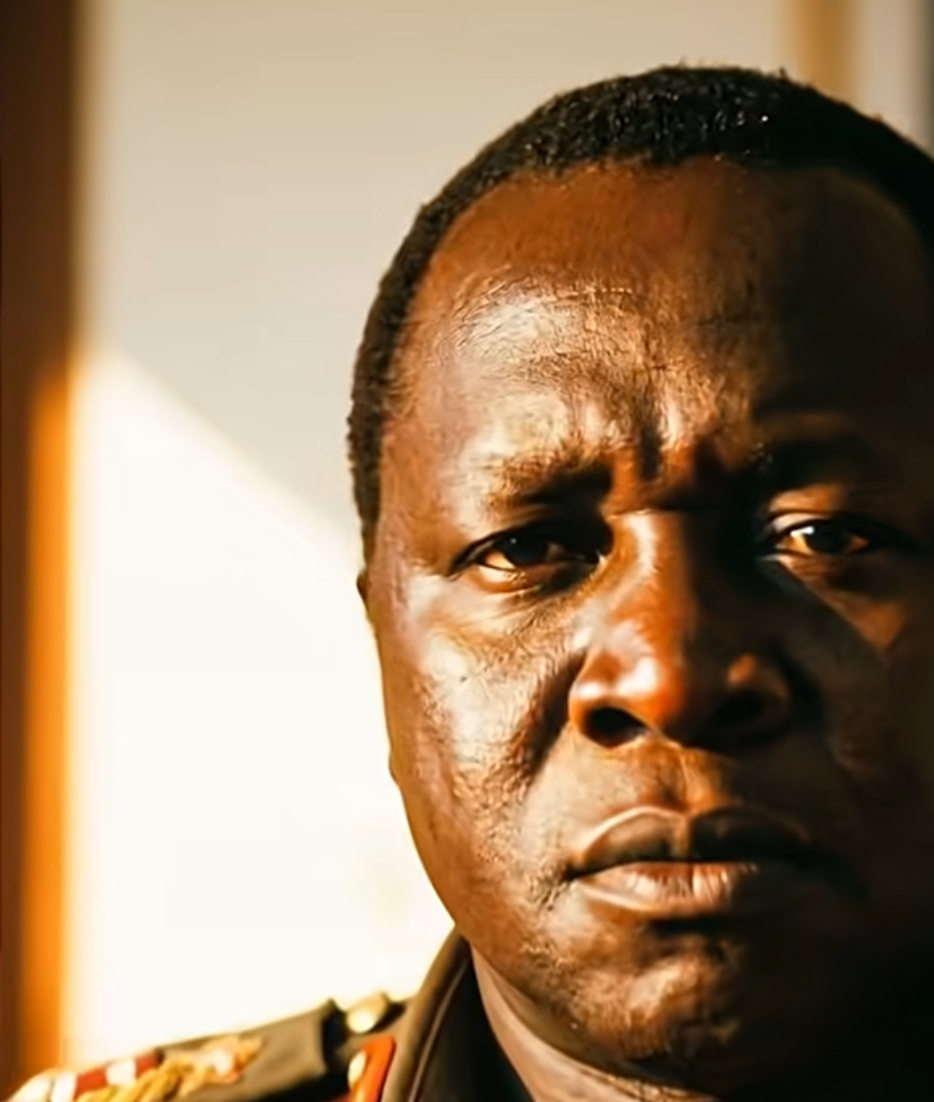
They called him the “Butcher of Uganda.” Idi Amin Dada remains one of the most infamous and terrifying leaders in modern African history — a man whose eight-year rule was marked by extreme violence, megalomania, and absurdity.

Before the world feared his name, Idi Amin was a towering figure in more ways than one. Born in the 1920s into the Kakwa ethnic group in northern Uganda, he had little formal education but rose through the ranks of the British colonial army. He became a champion boxer and a feared soldier known for his physical strength and ruthlessness. The British themselves helped elevate him, seeing him as a useful ally in the volatile post-independence period.
In 1971, Amin seized power in a military coup while President Milton Obote was abroad. What started as a promise of stability quickly descended into one of the darkest chapters in Uganda’s history.
The Reign of Terror
Amin ruled Uganda with iron fists and erratic decisions. In 1972, he ordered the expulsion of approximately 80,000 Asians (mostly Indians and Pakistanis) from the country in just 90 days, accusing them of economic sabotage. Their businesses were seized and redistributed, causing massive economic disruption.
He crowned himself with grandiose titles: “His Excellency, President for Life, Field Marshal Al Hadji Doctor Idi Amin Dada, VC, DSO, MC, Lord of All the Beasts of the Earth and Fishes of the Seas and Conqueror of the British Empire in Africa in General and Uganda in Particular.” He even declared himself King of Scotland and threatened to invade Britain.
Under his regime, an estimated 300,000 Ugandans were killed — political opponents, ethnic groups he distrusted, intellectuals, and ordinary citizens. Torture centres operated openly, and bodies were dumped in the Nile River. Amin’s paranoia led to the execution of ministers, journalists, judges, and even members of his own army.
The International Angle
What many narratives often downplay is the initial Western (especially British and Israeli) support for Amin. He was seen as anti-communist and useful during the Cold War. But when he turned against his former backers — nationalising businesses and aligning with Libya’s Gaddafi and the Soviet bloc — the same powers that helped install him suddenly branded him a monster.
Amin was eventually overthrown in 1979 after a war with Tanzania and fled into exile in Saudi Arabia, where he lived until his death in 2003.
The story of Idi Amin is not just about one madman — it is a chilling reflection of how colonial legacies, Cold War politics, and unchecked military power can create monsters. History remembers the tyrant, but it should also remember who armed and enabled him.
Watch a historical summary of the man call Idi Amin.
Source: Historical narration featured in the Instagram reel by Danny Wonders.
What do you think about Idi Amin’s story? Was he solely responsible for the horrors, or was he a product of bigger geopolitical games? Share your thoughts in the comment section.







Comments
0 comments