
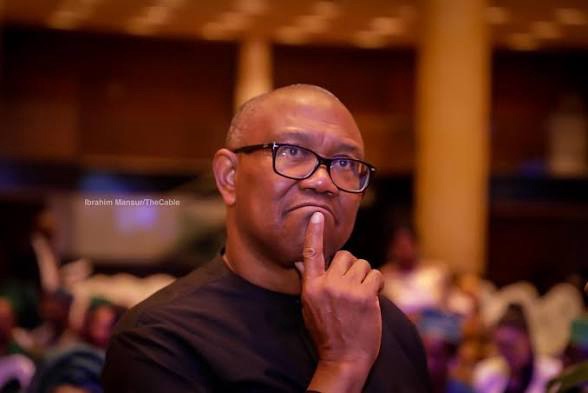
In a recent interview with Rufai Oseni, Peter Obi, the prominent opposition figure and former presidential candidate, faced pointed questions about his plans for Nigeria. The exchange has sparked intense debate, with many observers pointing out what they see as the biggest vulnerability in Obi’s political brand: a heavy reliance on personal credibility rather than detailed, evidence-based policy proposals.
For years, Obi has positioned himself as the candidate of facts, figures, and accountability. His supporters proudly repeat his famous slogan: “Go and verify.” Yet during the interview, when pressed for concrete roadmaps on critical issues like power generation, security, and economic revival, Obi’s responses reportedly leaned heavily on appeals to trust and moral positioning. Critics argue this reveals a gap between the polished image and the expected depth of a serious presidential contender.
The “Believe Me” Dilemma
The core critique is straightforward: Obi wants Nigerians to trust him without always demanding rigorous evidence, believe in his intentions without seeing a full blueprint, and vote for him based largely on character and past performance rather than granular strategies.
This approach, some analysts say, works well in opposition rhetoric but falls short when voters expect a Commander-in-Chief to explain exactly how he will secure farms, stabilise the naira, fix electricity, reform policing, and manage a deeply divided country. These are complex governance challenges that cannot be solved by slogans or personal integrity alone.
Obi’s brand was built on competence and data-driven governance. When Rufai pressed for substance, the expectation was that the “facts and figures” candidate would deliver. Instead, the conversation reportedly shifted toward emotional appeals and general assurances. To many viewers, this felt like a departure from the very standards Obi had set for others.
Not a Motivational Speaker — A President
Nigeria is not looking for a motivational speaker. It is choosing a president who must navigate one of the most difficult governance environments in the world. Citizens want to know:
– How exactly will power generation jump from the current level to 10,000MW or more?
– What is the detailed strategy for agricultural revival and food security?
– How will insecurity be tackled without repeating past failures?
These are not unreasonable demands. They are basic expectations from anyone seeking the highest office. When a candidate says “Nigeria’s problems are not rocket science,” the natural follow-up is: then show us the science.
The Packaging vs The Content
Obi’s strength has always been his packaging — clean image, anti-corruption rhetoric, and personal discipline. These qualities resonate with many frustrated Nigerians. However, the Rufai interview has amplified a growing concern: the packaging is strong, but the detailed content sometimes feels thin.
This is not unique to Obi. Many Nigerian politicians excel at inspirational messaging but struggle when pressed on execution. The danger, critics warn, is that “trust me” politics can easily become faith-based governance, where good intentions replace rigorous planning.
As 2027 approaches, the expectation is rising. Nigerians have trusted too many leaders on promises alone and paid dearly with hardship and disappointment. This time, the demand is louder: bring proof, bring the blueprint, bring clarity.
No evidence, no blank cheque. No roadmap, no mandate.
The Rufai interview may not have damaged Obi’s popularity among his core base, but it has sharpened the national conversation. Leadership is not just about being trusted — it is about being ready to show the work.
What do you think about this criticism of Obi’s style? Should presidential candidates be required to provide detailed, verifiable plans, or is personal credibility enough? Share your honest thoughts in the comment section.