
Why Ibrahim Babangida Was Famously Called “The Cat with Nine Lives”
 Follow on Google News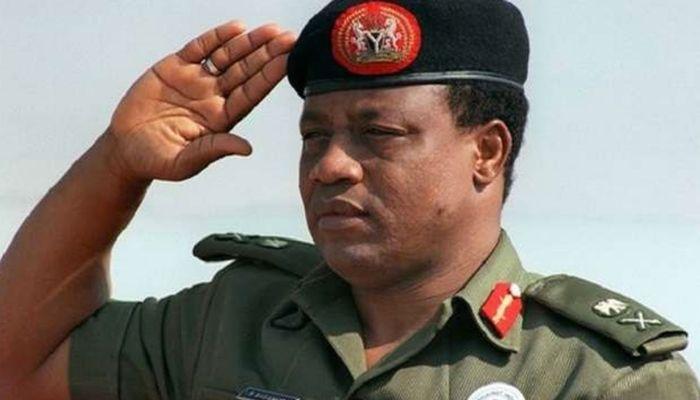
General Ibrahim Badamasi Babangida (IBB), Nigeria’s military president from 1985 to 1993, earned the legendary nickname “the cat with nine lives” due to his remarkable ability to survive multiple coup attempts, political crises, and life-threatening situations during his turbulent years in power.

The phrase, drawn from the popular belief that cats possess nine lives, perfectly captured Babangida’s uncanny resilience. He came to power through a palace coup against General Muhammadu Buhari in August 1985 and faced repeated threats to his regime throughout his eight-year rule.
Major Coup Attempts He Survived
One of the earliest serious challenges was the 1985 Vatsa Coup Plot. Shortly after Babangida took office, his childhood friend and fellow officer, Major General Mamman Vatsa, was implicated in a conspiracy. The plot was uncovered, Vatsa and several others were tried and executed in 1986. Babangida’s regime survived this internal threat, though it highlighted deep divisions within the military.
The most dramatic and violent attempt came on April 22, 1990, when Major Gideon Orkar led a bloody coup assault on Dodan Barracks in Lagos. The plotters attacked the presidential residence, killed Babangida’s Aide-de-Camp Lt. Col. U.K. Bello, and briefly seized the national radio station. They announced radical measures, including the excision of five northern states from Nigeria.
Babangida narrowly escaped through a back route amid heavy gunfire. Loyal forces, led by then-Chief of Army Staff Major General Sani Abacha, crushed the rebellion after several hours of fighting. Dozens of plotters, including Orkar, were later executed.
Babangida’s regime reportedly foiled or survived at least two major documented coup attempts, along with several alleged smaller plots. His ability to navigate these dangers, combined with earlier battlefield survivals (such as being shot during the Nigerian Civil War), reinforced his image as someone who repeatedly cheated death.
Political “Nine Lives”
Beyond physical coups, Babangida’s political manoeuvring earned him other nicknames like “Maradona” and “Evil Genius.” He survived intense public backlash over the Structural Adjustment Programme (SAP), the annulment of the June 12, 1993 presidential election, and the resulting national crisis that eventually forced him to “step aside” in 1993.
Even after leaving office, Babangida has continued to navigate controversies, political accusations, and health challenges, further cementing the “cat with nine lives” moniker among Nigerians.
Legacy of the Nickname
The nickname reflects both admiration for his survival instincts and criticism of his long grip on power. To supporters, it symbolises resilience and strategic brilliance. To critics, it represents a leader who always seemed to land on his feet no matter the chaos he left behind.
Decades later, the story of IBB — the man who survived bullets, betrayals, and political storms — remains one of the most compelling chapters in Nigeria’s military history.
What do you think about Babangida’s survival story? Was he truly lucky, or a master strategist? Share your thoughts in the comment section.







Comments
0 comments