

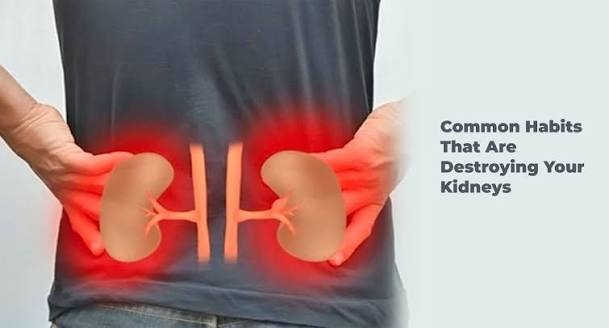
Human kidneys play a vital role in maintaining overall health by filtering waste products from the blood, balancing fluids, regulating blood pressure, and supporting important chemical processes in the body. Medical experts emphasize that these organs are essential for survival and long-term wellbeing, yet certain everyday habits may gradually affect their function over time.
Health education sources note that many kidney-related problems develop slowly and are often linked to lifestyle patterns. Factors such as diet, hydration, physical activity, and substance use can influence kidney performance over the years.
Below are seven commonly cited practices that may negatively affect kidney health if consistently repeated.
1. High blood pressure
Hypertension is widely recognized as one of the leading contributors to kidney damage. When blood pressure remains consistently high, it can place strain on the blood vessels in the kidneys, reducing their ability to function effectively. Over time, this may also increase the risk of kidney-related complications and discomfort.
2. Frequent consumption of processed foods
Processed and pre-packaged foods often contain high levels of salt and phosphorus. Excessive intake of these substances can place additional stress on the kidneys. Diets high in processed foods may also contribute to long-term risks associated with kidney disease development.
3. Poor sleep habits
Research has suggested a connection between sleep patterns and kidney function. Inadequate sleep may disrupt the body’s natural regulatory processes, including those involving the kidneys. Over time, poor sleep quality or insufficient rest may negatively influence overall kidney health.
4. Tobacco use
Smoking is linked to multiple health complications, including damage to the kidneys. It can affect blood vessels, reducing blood flow and increasing the risk of kidney disease and kidney-related cancers. Long-term tobacco use is widely regarded as a significant risk factor for organ damage.
5. Excessive alcohol consumption
While moderate alcohol intake may not cause immediate harm for some individuals, heavy or frequent drinking can lead to dehydration and elevated blood pressure. These effects can interfere with normal kidney function and increase long-term health risks if sustained over time.
6. Lack of physical activity
A sedentary lifestyle is associated with several health conditions that can indirectly affect the kidneys, including obesity, diabetes, and hypertension. Reduced physical activity may therefore contribute to a higher risk of kidney strain and reduced organ efficiency.
7. Excessive protein intake
Protein is essential for body growth and repair, but extremely high consumption of animal-based protein may place additional workload on the kidneys. Some studies suggest that very high protein diets can influence blood acidity levels, which may increase kidney stress in certain individuals.
Conclusion
Kidney health is closely tied to daily lifestyle choices. While these organs are highly resilient, prolonged exposure to unhealthy habits may gradually reduce their efficiency. Health experts generally recommend maintaining a balanced diet, staying hydrated, exercising regularly, managing blood pressure, and avoiding harmful substances to support long-term kidney function.