
Peter Obi has strongly denied reports of division within the Obidient Movement, describing them as “deliberate attempts by opponents to weaken the opposition.” However, political observers say the gap between Obi’s public stance and the ground reality is widening, with visible signs of fragmentation as key figures and supporters quietly explore new alliances ahead of the 2027 general elections.
Obi’s Leadership Style Under Scrutiny
Since the 2023 election, Obi has maintained a leadership approach centered on moral authority, personal integrity, and direct engagement with supporters, largely bypassing traditional party structures. While this style built a massive youth-driven movement, critics argue it has also created challenges in managing internal discipline and long-term strategy.
Many within the movement complain that decisions are often made in small circles, leaving some early loyalists feeling sidelined. The lack of a clear, formal organisational structure has made it easier for individuals to drift away without strong institutional pushback.
Why Many Supporters Are Courting Kwankwaso
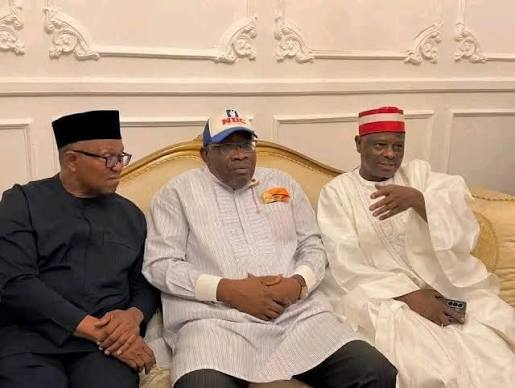
A growing number of Obidient supporters and influencers are now looking towards Senator Rabiu Musa Kwankwaso and his Kwankwasiyya movement. Kwankwaso’s structured political machine, strong grassroots control in Kano and parts of the North, and his history of installing loyal governors have made him an attractive partner for those seeking a more organised platform under the NDC.
Some Obidient voices believe a strategic alliance or understanding with Kwankwaso offers better prospects for 2027 than going it alone under the current fragmented movement. This shift has created quiet tension, as many hardcore Obi loyalists see it as disloyalty, while others view it as pragmatic politics.
Loyalists Like Aisha Yesufu Losing Out
One prominent example is activist and vocal Obidient supporter Aisha Yesufu. After playing a highly visible role in the 2023 movement and remaining consistent in her support for Peter Obi, she has reportedly found herself increasingly marginalised in the shifting political calculations within the opposition space.
Several other early and dedicated Obidient loyalists who stuck with the movement through thick and thin — enduring insults, threats, and personal sacrifices — are also reportedly being overlooked as bigger political names and fresh alliances take centre stage.
This has led to murmurs of betrayal and disappointment among some of the movement’s foundational supporters, who feel their sacrifices in 2023 are not being adequately recognised in the build-up to 2027.
What This Means for 2027
As political realignments intensify, the Obidient Movement faces a critical test: can it remain cohesive under Obi’s leadership, or will it fragment into different camps seeking relevance through new platforms?
Peter Obi continues to project confidence and unity, insisting the movement is stronger than ever. However, the visible defections, quiet courtship of Kwankwaso, and growing complaints from sidelined loyalists suggest that the road to 2027 may not be as straightforward as many once believed.
The coming months will reveal whether Obi can successfully manage these internal cracks or whether the movement that almost shook Nigeria in 2023 will enter the next election cycle divided.