
Breaking: Senate declares when state police will be created
 Follow on Google News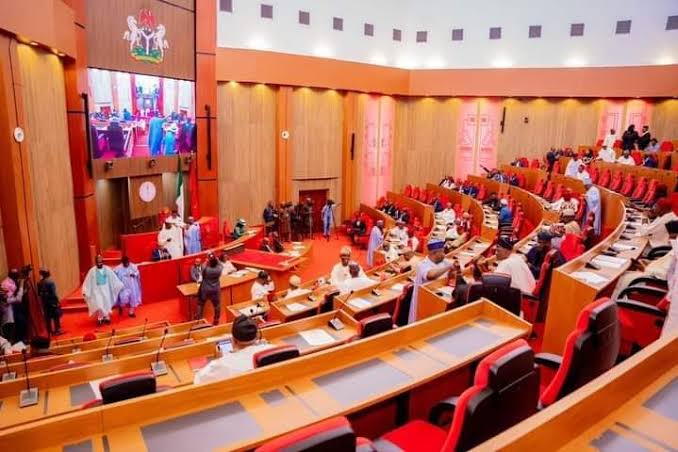
The Nigerian Senate has announced that amendments to the 1999 Constitution to allow the creation of state police are expected to be passed later this week.
The disclosure was made by Senate Leader Opeyemi Bamidele in a statement issued on Monday, June 8.
Senate Set to Pass State Police Bill
According to Bamidele, the National Assembly is entering a crucial legislative week, with the state police bill among the key items scheduled for consideration.
He explained that once the National Assembly passes the constitutional amendment, it will be transmitted to the 36 State Houses of Assembly for ratification.
The Senate leader stated that major stakeholders are largely aligned on the issue, including:
President Bola Ahmed Tinubu
State governors
National Assembly leadership
The Attorney-General of the Federation
Chief of Staff to the President, Femi Gbajabiamila
Security stakeholders
According to him, several meetings have been held in recent weeks to fine-tune the proposal and prepare it for passage.
What Happens After Senate Approval?
After passage by the National Assembly, the constitutional amendment must be approved by at least two-thirds of Nigeria’s 36 State Houses of Assembly before it can be presented to the president for assent.
This means a minimum of 24 state assemblies must ratify the bill before it becomes law.
Mixed Reactions From Nigerians
The announcement has generated varying reactions from Nigerians.
Some welcomed the move, arguing that state police could help tackle insecurity more effectively at the grassroots level.
Others expressed concerns about possible political interference and how state governors might use state police structures.
Several commentators also called for strict recruitment and screening processes to prevent infiltration by criminal elements.
Why State Police Matters
The debate over state police has continued for years as Nigeria grapples with insecurity, including:
Banditry
Kidnapping
Terrorism
Communal clashes
Farmer-herder conflicts
Supporters argue that state-controlled police forces would improve local intelligence gathering and response times, while critics fear potential abuse by state governments.
If approved by both the National Assembly and state legislatures, the reform would represent one of the most significant constitutional changes to Nigeria’s policing system since the return to democratic rule in 1999.







Comments
0 comments