
Fresh crisis in NDC Kano chapter over sharing formula as tensions rise between old members and Kwankwaso’s camp
 Follow on Google News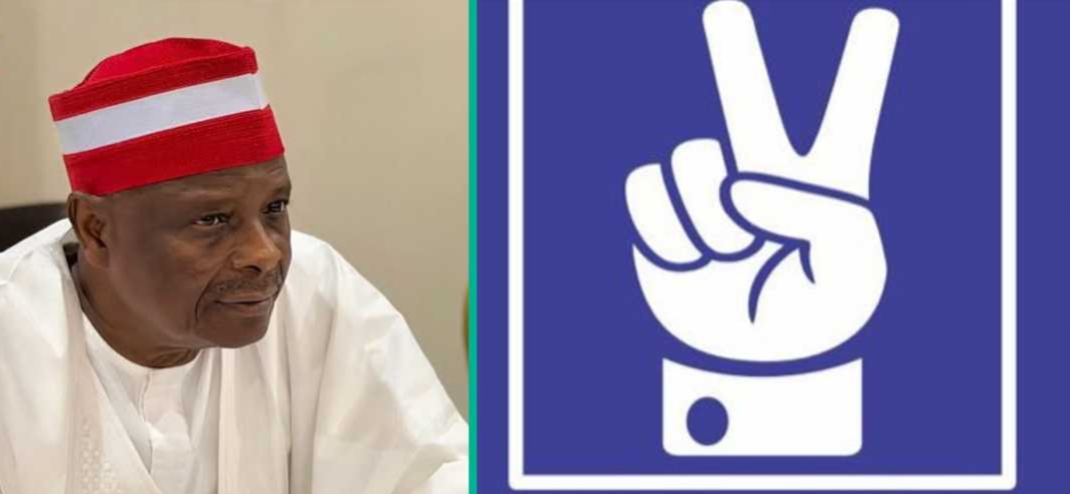
A fresh crisis has emerged within the Nigeria Democratic Congress (NDC) in Kano State as tensions deepen between longstanding party members and newcomers aligned with the Kwankwasiyya Movement led by Rabiu Musa Kwankwaso.
The dispute revolves around the implementation of an agreed 60-40 power-sharing arrangement for party positions and elective offices, with many old members alleging that the agreement has not been respected.
Kwankwaso’s Entry and the 60-40 Formula
When Kwankwaso joined the NDC, concerns arose among existing members that his political structure could dominate the party. To address these fears, both camps reportedly agreed to a 60-40 sharing formula, with the Kwankwasiyya bloc receiving the larger share.
Party executives and candidates were subsequently selected through consensus.
However, shortly after the release of the candidates’ list, complaints resurfaced as old members accused the Kwankwasiyya faction of sidelining them during the allocation of positions.
Reallocation of Seats
Following the grievances, the Kano NDC leadership reportedly adjusted the distribution of some positions.
According to a document signed by state chairman Hussaini Isah Mairiga:
Five House of Representatives tickets were reassigned.
Seven state assembly tickets were also reallocated to old members.
The approved House of Representatives candidates include:
Barr. Isma’il Idris Sani – Kumbotso
Nasiru Ali Ahmed – Nassarawa
Kabiru Ishaq Sa’id – Kano Municipal
Barr. Dayyabu Jamilu Ibrahim – Doguwa/Tudunwada
Muhammad Hamisu Abubakar – Dawakin Tofa/Rimin Gado/Tofa
Ibrahim Bashir Bango – Sumaila/Takai
Abdulmajid Isa Umar Mairigar Fata – Gwale
Similar adjustments were reportedly made in Dala, Tarauni, Kumbotso, Ungogo, and Dawakin Kudu constituencies.
Old Members Express Dissatisfaction
NDC spokesman in Kano, Ibrahim Waya, criticized the arrangement, arguing that old members had not received their agreed share.
According to him:
“You can’t just enter somebody’s house, open his wardrobe and start using his clothes without his consent.”
He maintained that the group would continue pushing for additional positions, including a Senate seat, to meet its quota under the agreement.
Kwankwasiyya Camp Responds
The Kwankwasiyya Movement, through spokesperson Habibu Saleh Mohammed, dismissed the allegations.
He argued that old members were involved throughout the candidate selection process and questioned why objections surfaced several days after the primaries had been concluded.
National Party Intervention
Amid the growing tension, the NDC’s National Executive Committee (NEC) announced measures aimed at strengthening internal democracy and resolving disputes.
The measures include:
A Code of Conduct for party officials and candidates.
Establishment of a National Reconciliation Committee.
Reaffirmation of party supremacy over individual interests.
A requirement that elected officials consult party structures before major decisions.
The party said it remains committed to building a strong institution rather than a personality-driven political platform.
Background
The crisis comes as political alignments continue ahead of the 2027 general election, with the NDC seeking to manage competing interests between its original members and influential newcomers associated with Kwankwaso’s political movement.


Comments
0 comments