
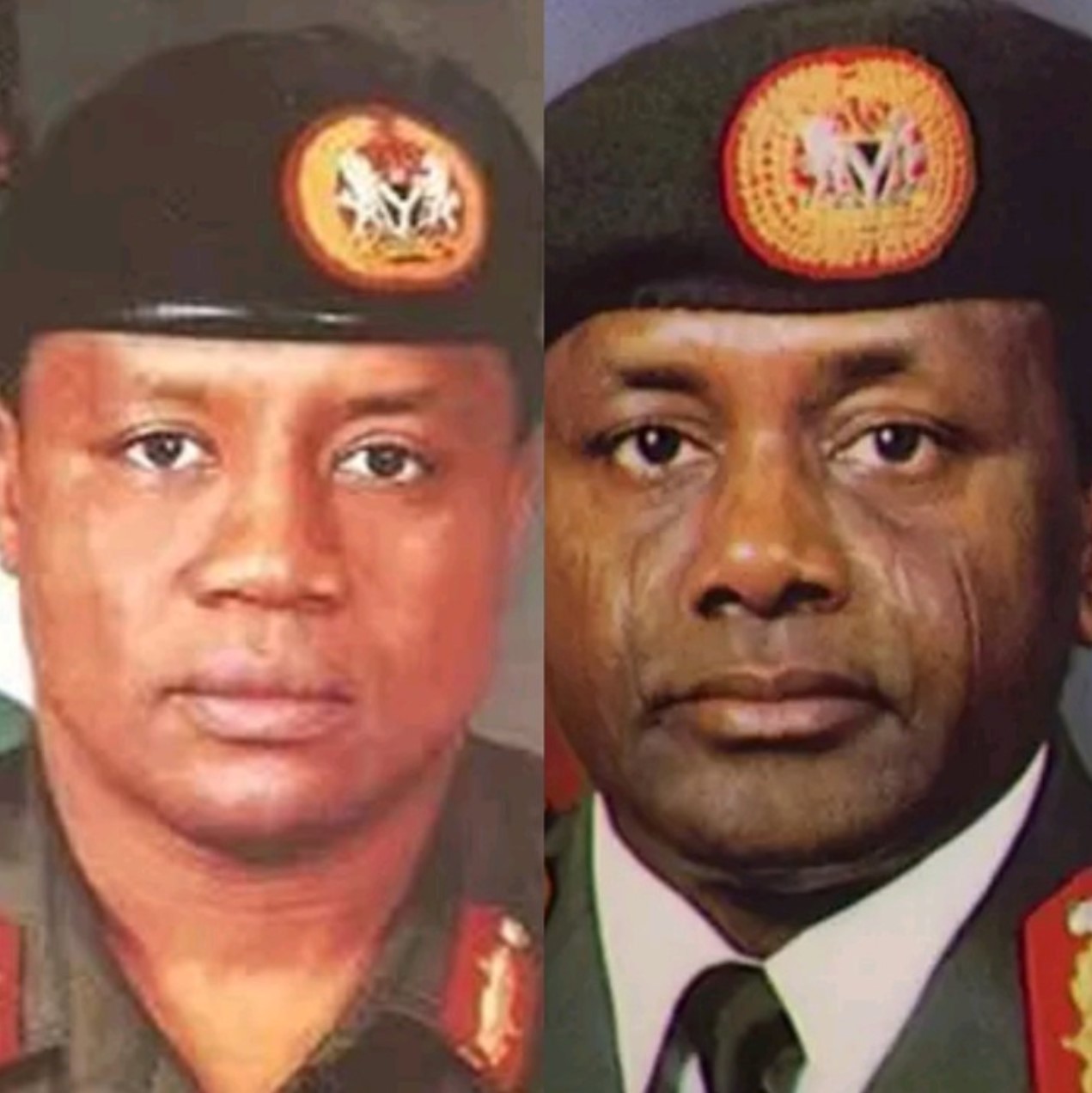
Dr. Akin Onigbinde (SAN), who served as Speaker of the Oyo State House of Assembly during Nigeria’s Third Republic, has asserted that many political stakeholders were unaware of what he described as General Sani Abacha’s covert influence during the events leading to the annulment of the June 12, 1993 presidential election.
In an interview on the State Affairs with Edmund Obilo Show, Onigbinde explained that, at the time, there was no visible indication that Abacha played any hidden role in shaping critical decisions surrounding the annulment. According to him, individuals actively involved in the political transition process were largely uninformed about any underlying power dynamics operating behind the scenes.
He noted that participants in Nigeria’s transition programme under former military president General Ibrahim Babangida believed they were part of a transparent and genuine move toward civilian governance. However, he suggested that this perception did not reflect the full reality, as key influences remained concealed from both political actors and the wider public.
“He never told us that Abacha was in the background controlling the puppets. We never had that idea,” Onigbinde stated, emphasizing that those engaged in the democratic process were unaware of any external manipulation or hidden authority directing outcomes.
Onigbinde’s remarks contribute a new dimension to ongoing discussions about the political complexities surrounding the June 12 election, which is widely considered one of the most credible elections in Nigeria’s history. The election was believed to have been won by Chief Moshood Kashimawo Olawale Abiola, but its annulment by the Babangida administration sparked widespread political unrest and intensified demands for democratic governance.
The annulment remains a pivotal moment in Nigeria’s political evolution, often cited as a catalyst for the eventual transition to civilian rule. Onigbinde’s account highlights the possibility that significant decisions during that period may have been influenced by unseen forces, raising further questions about the internal dynamics of military leadership at the time.
Watch the video from stamp time 3:02 to 3:14