
The Untold Story Behind Funso Williams’ Assassination: Power, Politics, and the Brutal Killing That Hit Lagos
 Follow on Google News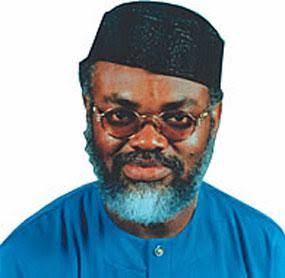
On 27 July 2006, in the quiet Ikoyi neighbourhood of Lagos, Chief Funso Williams, a leading contender for the Lagos State governorship, was found dead in his home. The 54-year-old politician, known for his charisma, grassroots connections, and ambition within the People’s Democratic Party (PDP), had been brutally murdered — strangled with a rope and stabbed multiple times. His body was discovered by his driver, sparking immediate shock and outrage across Nigeria.
What followed was one of the most high-profile assassination cases in the country’s history — a killing that many believe was politically motivated and remains largely unsolved to this day.
The Historical Setting: Lagos Politics in the Mid-2000s
The early 2000s were a turbulent period in Lagos politics. The state was a major battleground between the ruling Action Congress (AC, later ACN and APC) and the opposition PDP. Funso Williams, a former Commissioner for Works under military administrator Buba Marwa and a key PDP figure, was positioning himself as a strong challenger for the 2007 governorship election.
He was seen as a formidable opponent — popular among the grassroots, well-connected, and financially capable. His rising profile made him a threat to established interests in the state’s cut-throat political landscape.
The Main Players
– Chief Funso Williams: The victim. A charismatic politician with strong Yoruba roots and broad appeal. He was preparing to contest the PDP governorship ticket.
– Political Rivals: Within the PDP and across party lines, intense competition for power and resources in Lagos created enemies.
– Security Forces and Investigators: The case was handled by the police, but many criticised the investigation as slow and compromised.
The Crime and the Untold Details
Williams was attacked in his own home. The manner of his death — strangulation combined with multiple stab wounds — suggested a targeted, personal assassination rather than a robbery. Nothing of significant value was reported missing, and there were no signs of forced entry consistent with ordinary burglary.
Over the years, several lesser-known details have emerged from family, close associates, and investigative reports:
– Williams had received threats in the weeks leading up to his death.
– He was reportedly working on exposing high-level corruption and political godfatherism in the state.
– Some accounts suggest internal PDP rivalries and the influence of powerful figures who saw him as an obstacle to their preferred candidates.
Despite arrests and claims of breakthroughs, no one has been conclusively convicted for masterminding the assassination. The case remains a painful symbol of political violence in Nigeria.
Behind the Scenes: Power Struggles and Impunity
The killing of Funso Williams was widely believed to be politically motivated. In the high-stakes world of Lagos politics, where control of the state’s vast resources is fiercely contested, eliminating a strong rival is not unheard of. His death occurred at a time when political assassinations were alarmingly common in Nigeria, particularly in the build-up to elections.
The failure to bring the masterminds to justice has fuelled suspicions of high-level protection for those responsible. It highlighted the nexus between politics, violence, and impunity that has plagued Nigeria’s democratic journey.
The Consequences
Funso Williams’ assassination sent a chilling message to politicians and the public: challenging powerful interests could cost you your life. It deepened cynicism about the political system and contributed to the atmosphere of fear that often surrounds elections.
For his family and supporters, the lack of full justice has been a lifelong wound. His death robbed Lagos and Nigeria of a promising leader who could have brought fresh ideas and energy to governance.
Why This Story Still Matters Today
Seventeen years later, the assassination of Funso Williams remains one of the most notorious unsolved political murders in Nigeria. It stands as a stark reminder of the dangers of political violence and the culture of impunity that allows killers to escape justice when the victims are prominent figures.
In an era where political tensions still run high and elections remain high-stakes battles, the case continues to raise uncomfortable questions: How many more promising leaders have been silenced? How safe are those who dare to challenge the status quo?
The untold story behind Funso Williams’ assassination is not just about one man’s tragic death. It is about the cost of ambition in Nigeria’s brutal political arena and the long shadow of impunity that still hangs over the nation.
His voice was silenced, but the questions his death raised continue to echo. Justice for Funso Williams and others like him remains an unfinished chapter in Nigeria’s democratic story.
A painful reminder that in the fight for power, some are willing to go to any length — including murder.







Comments
0 comments