
Atiku: He Was Told To Do Some Balancing, He Didn’t Agree And Party Imploded Before His Eyes-Sobowale
 Follow on Google News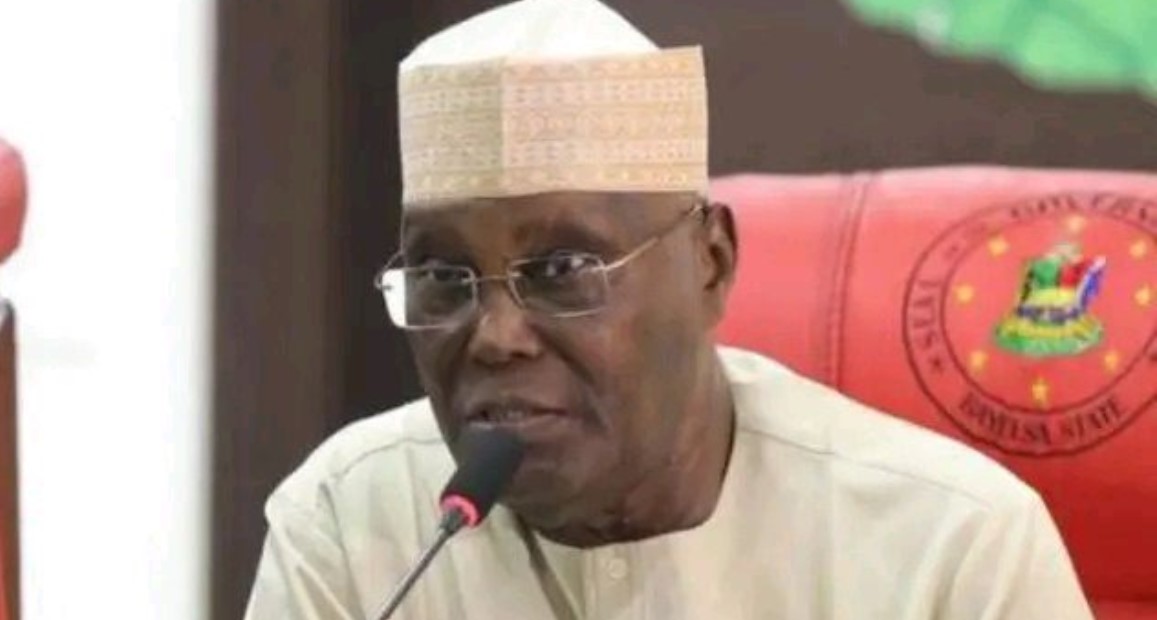
Public Affairs Analyst Dayo Sobowale has once again commented on the internal dynamics of Nigeria’s opposition politics, linking the prolonged crises within the Peoples Democratic Party (PDP) to what he described as leadership rigidity and failure to embrace political compromise by key figures, including former Vice President Atiku Abubakar.
Sobowale made the remarks during an interview on Arise News on May 12, 2026, where he reviewed the challenges facing opposition parties in maintaining unity, managing internal interests, and sustaining electoral competitiveness in Nigeria’s evolving political landscape.
He argued that opposition parties in the country often struggle not because of external pressure alone, but due to unresolved internal disagreements and the inability of leaders to balance competing political interests within their structures.
According to him, successful political organisations require deliberate efforts to accommodate diverse stakeholders, regional interests, and power blocs in order to maintain stability and prevent fragmentation.
Sobowale suggested that the PDP’s internal struggles over the years can be traced to moments where opportunities for compromise and political balancing were not effectively utilized by key actors within the party.
He specifically referenced the role of former Vice President Atiku Abubakar in the party’s internal disagreements, stating that decisions made during critical periods contributed to deep divisions within the PDP.
According to his words, “Atiku: He Was Told To Do Some Balancing, He Didn’t Agree And Party Imploded Before His Eyes-Sobowale”
He explained that the statement reflects his interpretation of how internal negotiations within the PDP were handled, particularly during periods of heightened political tension and leadership contestation.
Sobowale noted that political parties in Nigeria often face pressure from regional interests, ambitious politicians, and competing factions, all of which require careful management to maintain unity.
He added that when such interests are not properly balanced, parties risk losing cohesion, which can significantly affect their performance during elections.
According to him, the PDP’s experience serves as a case study of how internal disagreements and leadership decisions can weaken even the most established political platforms.
Sobowale further argued that political compromise is a necessary tool in party politics, especially in a diverse country like Nigeria where ethnic, regional, and ideological considerations often intersect.
He maintained that leaders who fail to accommodate differing viewpoints within their parties may inadvertently create conditions that lead to internal collapse or weakening of party structures.
The analyst also pointed out that Nigeria’s opposition parties have historically struggled with unity, particularly during election cycles where disagreements over candidacy and power-sharing arrangements become more pronounced.
He suggested that the inability to manage such tensions has contributed to repeated electoral setbacks for major opposition platforms.
Sobowale emphasized that political stability within parties is essential for effective governance and credible electoral competition, stressing that internal crises often distract from broader national objectives.
He also noted that the lessons from past political experiences should guide current and future leaders in managing party affairs more effectively.
Watch the video from stamp time 3:18 to 3:29.


Comments
0 comments