
Peter Obi Cannot Survive an Intra-Party Contest Because He Lacks the Capacity to Win” — Temitope Ajayi
 Follow on Google News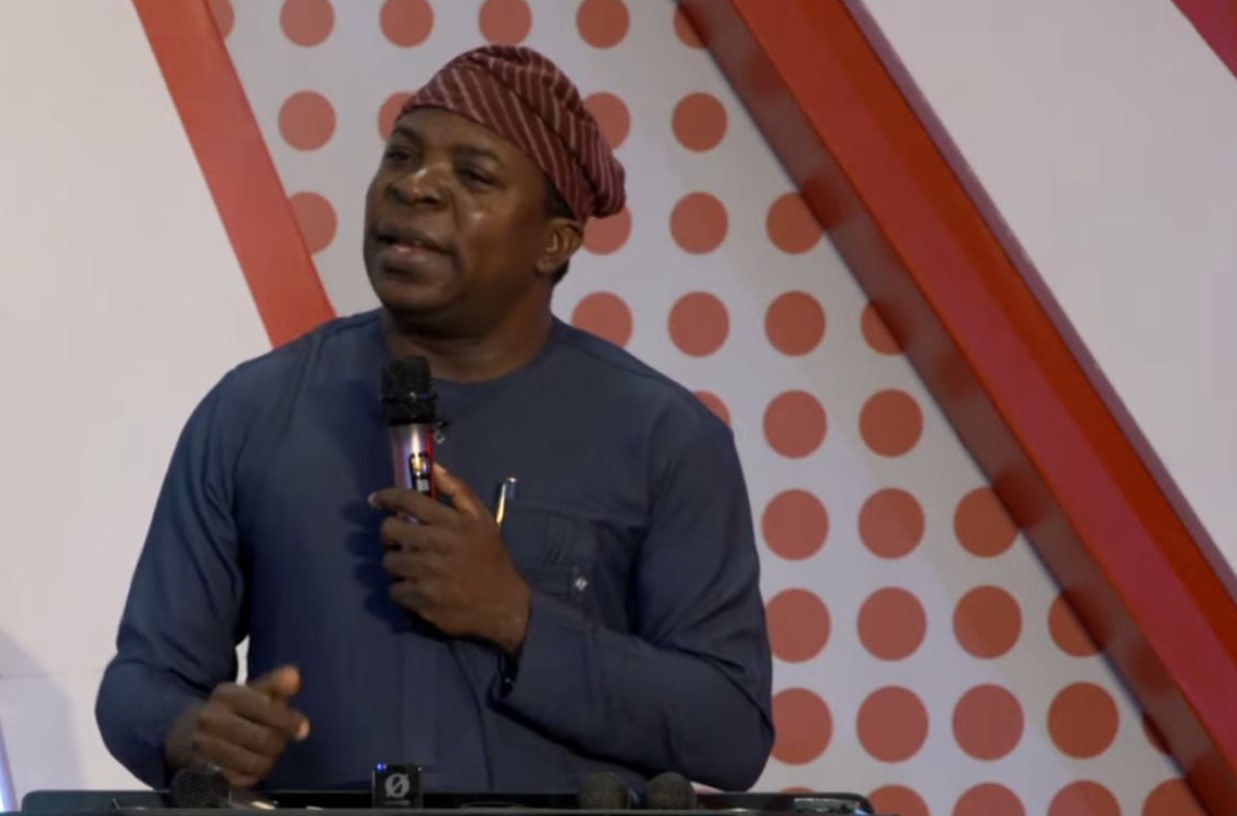
According to a report by Punch in May 29, 2026, the emergence of former Vice President Atiku Abubakar as the presidential candidate of the African Democratic Congress (ADC) for the 2027 general election has continued to generate intense political debate across Nigeria, with members of the ruling All Progressives Congress (APC) and opposition figures exchanging sharp reactions over the development.
The outcome of the ADC presidential primary, which was officially announced on May 29, 2026, has further reshaped conversations surrounding opposition politics, coalition-building, and the balance of political power ahead of the next electoral cycle.
Atiku secured the party’s presidential ticket after recording a decisive victory in the primary election. Official results released by the party showed that the former vice president polled 1,846,370 votes to defeat his closest rival, former Minister of Transportation Rotimi Amaechi, who obtained 504,117 votes. Economist and policy expert Mohammed Hayatu-Deen came third with 177,120 votes.
Despite Atiku’s clear lead in the contest, the exercise was immediately followed by controversy as both Amaechi and Hayatu-Deen rejected the outcome of the primary election, alleging irregularities in the conduct of the process.
The objections raised by the defeated aspirants have intensified concerns about internal divisions within the opposition coalition at a time when many political observers expected greater unity among parties seeking to challenge the ruling APC in 2027.
Amid the growing controversy, the Presidency and leaders within the APC expressed confidence that the opposition coalition lacks the political strength and organizational stability required to defeat the ruling party in the next presidential election.
Presidential spokesman Temitope Ajayi reacted strongly to the developments, particularly targeting former Anambra State governor and Labour Party presidential candidate Peter Obi.
According to Ajayi, Obi lacks the political capacity to successfully compete in a highly contested party primary election, arguing that the former governor has historically benefited from negotiated political arrangements rather than open intra-party competition.
“Obi cannot withstand a competitive primary because he does not possess the structure needed to emerge through that kind of process,” Ajayi stated while commenting on the opposition coalition.
The presidential aide also questioned the ideological direction and internal cohesion of the alliance supporting Atiku’s candidacy, describing it as a coalition driven largely by dissatisfaction with the ruling government rather than by a shared national vision.
According to him, the opposition bloc remains fragmented and lacks the organizational discipline, strategic coordination, and political clarity necessary to mount a serious electoral challenge against President Bola Tinubu and the APC.
Ajayi further dismissed attempts to compare Atiku’s current political movement to the coalition that helped former President Muhammadu Buhari secure victory in the 2015 presidential election.
He argued that the political conditions that existed during Buhari’s campaign are significantly different from the present national environment, insisting that the APC remains firmly positioned despite current criticisms facing the administration.



Comments
0 comments